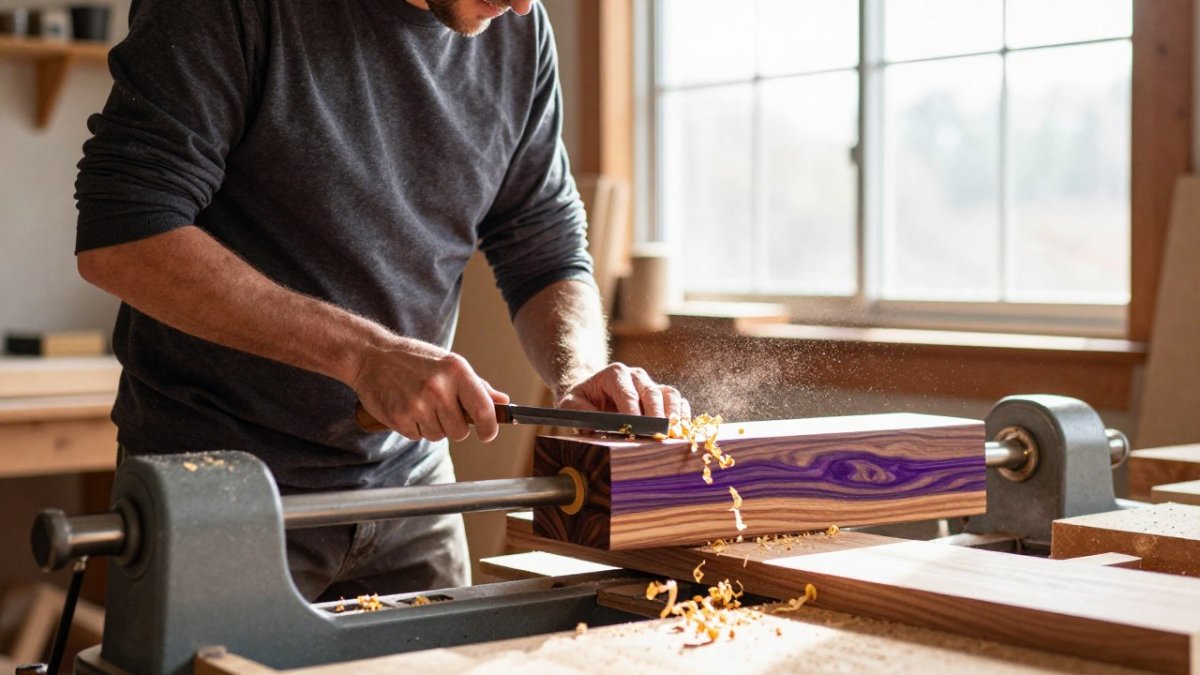
 How-to
How to Choose Sustainable Materials for Artisanal Woodworking
Quick Summary
Sustainable materials for artisanal woodworking are timbers and supporting materials sourced and used in ways that protect forests, reduce waste, and keep products in use longer. Choose wood by checking its source, planning for offcut reuse, prioritizing durability, and selecting finishes that protect without unnecessary chemicals.
- Ask suppliers for the species, origin, and certificate number, and confirm the certificate covers the product you are buying.
- Request a chain-of-custody transfer document, since a forest certificate does not automatically cover the board you purchase.
- Scan reclaimed wood for metal before cutting, and re-scan after each cut because fasteners often sit deeper than the surface.
- Test suspect old finishes for lead with inexpensive swabs, and treat reclaimed stock of unknown history as contaminated until tested.
- Save offcuts sorted by species for small turnings, inlays, or test pieces to reduce waste from the start.
Table of Contents
- What Sustainable Woodworking Means for Handcrafted Pieces
- Responsibly Sourced Hardwood: What to Look For
- Reclaimed Wood for Woodworking: Benefits and Limits
- Engineered Wood, Alternative Bio-Based Materials, and Offcuts
- Dyed Wood Veneers: Color Without Compromising Your Materials
- Eco-Friendly Wood Finishes and Adhesives, Including Health and Safety
- Booking a Consultation or Shopping DGK Design's Sustainably Made Vessels
- Frequently Asked Questions
What Sustainable Woodworking Means for Handcrafted Pieces
Last Updated: November 22, 2026
Sustainable woodworking is about more than picking a green-sounding wood.
For a studio making turned vessels, the stakes are concrete. A bowl that cracks after two winters wastes the wood, the labor, and the energy that went into it. Durability is the first form of sustainability.
Sustainable materials are timbers and supporting materials sourced and used in ways that protect forests, reduce waste, and keep products in use longer.
Here is what we weigh when choosing materials:
- Source: Is the wood responsibly harvested or salvaged?
- Waste: Can offcuts become smaller pieces in the same or another project?
- Longevity: Will the piece hold up to daily handling?
- Finish: Does the coating protect the wood without adding unnecessary chemicals?
Watch out: a "natural" label does not guarantee low impact. Ask what the wood came from and how it was treated before you assume it is the greener choice.
Responsibly Sourced Hardwood: What to Look For
Responsibly sourced hardwood comes from forests managed to keep their health and productivity over time, but the phrase itself is not regulated, so the burden of proof sits with the buyer. A craftsperson running a hand along a freshly turned bowl blank is handling the end of a long chain, and the only way to know what happened earlier in that chain is to ask for paper.
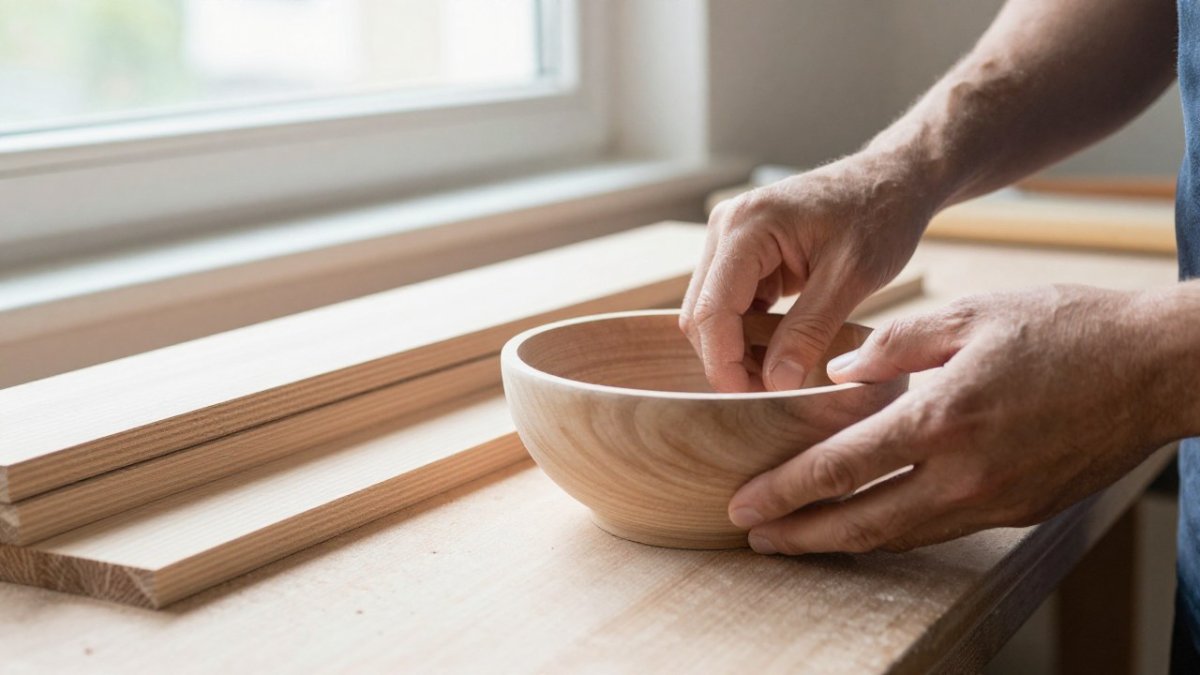
Several things signal a responsible source:
- The species and origin are named on the supplier's paperwork, not just on a shelf tag
- The supplier can describe its forest management practices in specific terms (harvest cycles, replanting, buffer zones near waterways)
- Harvest records or chain-of-custody documents are available on request
- The supplier will name the mill or importer that handled the timber before it reached them
How to Verify Sourcing Claims and Certifications
Certification labels are useful, but a logo alone tells you little.
A practical verification routine looks like this:
- Ask for the certificate number and the certifying body. FSC certificates carry a code beginning with a licensing prefix, and PEFC certificates carry a registration number. Both can be looked up in the certifying body's public database.
- Check the scope. Confirm the certificate covers the species and product form you are buying (rough lumber, turning blanks, veneer) and that the supplier's location matches the certificate.
- Ask for the chain-of-custody transfer document. This is the record that shows the certified material moved from one certified handler to the next. If a supplier sells certified wood but cannot produce a transfer document, the claim is unverified.
- Ask what percentage of the product is certified. Some labels allow a mix of certified and controlled material, so the claim may not mean the whole board is certified.
- Ask about the controlled-wood category. FSC's controlled wood category excludes the most egregious sources but is not the same as full certification, and it is worth knowing which one you are being sold.
Watch out: a supplier who hesitates to share a certificate number, or who offers only a photocopied logo with no code, is giving you a marketing claim rather than a verifiable one.
For a small studio, a sourcing relationship with a mill or importer that can tell you the species, the region, and the harvest practice in plain language and back it up with documents is worth looking for.
Reclaimed Wood for Woodworking: Benefits and Limits
Reclaimed wood keeps old timber out of landfills and gives new life to material that may already have decades of seasoning behind it. For turned work, reclaimed stock can offer tight grain, deep color, and a story that new lumber cannot match. It can also be the most sustainable choice available, because the tree was harvested long ago and the energy embedded in the board has already been spent once.
The limits are real, though, and they are where most broad sustainability guides stop. A reclaimed board is a salvage object first and a material second, so the work starts with inspection rather than cutting.
A Practical Inspection Sequence for Salvaged Stock
- Scan for metal before any cutting. A handheld metal detector will find nails, staples, and broken screw tips that a visual check misses. Run it over every face and end grain, then re-scan after each cut, because embedded fasteners often sit deeper than the surface.
- Identify the finish. Old paint, varnish, and stain can contain lead or other heavy metals, particularly on pre-1978 material. Lead test swabs are inexpensive and widely available at hardware stores. If a coating tests positive or is unknown, remove it outside the shop with appropriate respiratory protection or reject the board.
- Check for biological contamination. Salvaged barn wood and pallet stock can carry mold, insect frass, or fungal staining. Kiln drying at a temperature that kills insects is the standard remedy, and many mills offer this service for reclaimed lots.
- Map the defects. Nail holes, checks, and old joinery are not always defects in a turned piece, but they need to be planned around rather than discovered mid-cut.
- Confirm moisture content. Reclaimed wood that has been stored outdoors may be far wetter than it looks. A pin or pinless moisture meter will tell you whether the stock is ready to turn or needs further drying.
Watch out: reclaimed wood from industrial or agricultural sources can carry chemical residues, including oils, pesticides, and preservatives, that are not visible on the surface. If you cannot establish the material's history, treat it as contaminated until testing says otherwise.
Lifecycle Trade-Offs: When Reclaimed Wins and When It Does Not
Reclaimed wood is not automatically the greener choice, and comparing it honestly against new stock means weighing several factors at once:
- Embodied carbon. Reclaimed timber avoids the emissions of a new harvest and the energy of primary milling, which usually makes it the lower-carbon option for solid stock.
- Transport. A reclaimed board trucked across the country can carry more transport emissions than a locally milled certified board. Distance matters.
- Processing. Reclaimed stock often needs more planing, more waste removal, and more time to yield a usable blank, and that extra processing has its own energy cost.
- Durability and repairability. Old-growth reclaimed material is often denser and more stable than fast-grown new stock, which can extend the life of the finished piece and improve its repairability.
- Disposal. Offcuts from reclaimed stock may be treated or contaminated and cannot always be composted or burned, so plan for disposal before you start.
The honest answer is that reclaimed wood is usually the better choice when it is local, clean, and structurally sound, and a weaker choice when it is distant, contaminated, or so defect-ridden that most of it becomes waste. Comparing those factors before you buy is the difference between a sustainability claim and a sustainability decision.
The table below summarises the key checks and trade-offs for salvaged stock covered in this section.
| Check or factor | What to do or consider | Why it matters |
|---|---|---|
| Metal detection | Scan every face and end grain, re-scan after each cut | Embedded nails and screw tips are missed by eye |
| Finish testing | Use lead test swabs on suspect coatings | Pre-1978 material may contain lead |
| Biological contamination | Kiln dry to kill insects | Mold, frass and fungal staining can be present |
| Moisture content | Measure with a pin or pinless meter | Outdoor-stored stock can be far wetter than it looks |
| Embodied carbon | Reclaimed timber avoids new harvest emissions | Usually the lower-carbon option for solid stock |
| Transport | Compare distance against local certified stock | Long hauls can add more emissions |
| Disposal | Plan for treated or contaminated offcuts | They may not be compostable or burnable |
Engineered Wood, Alternative Bio-Based Materials, and Offcuts
Engineered wood products such as plywood, medium-density fiberboard, and oriented strand board make efficient use of smaller wood fibers. They are useful for jigs, shop furniture, and some structural components.
Alternative bio-based materials such as natural cork, bioresins, and mycelium-based composites are developing quickly. Many are still early in their commercial life, so test them before relying on them for a finished piece.
Offcuts are often the most overlooked resource in the shop. Save them, sort them by species, and use them for small turnings, inlays, or test pieces. Waste reduction starts at the cutting list.
Dyed Wood Veneers: Color Without Compromising Your Materials
Dyed birch veneers offer a way to add strong color while using a common, fast-growing species. The dyes and the adhesives used to bond veneer layers should be checked for emissions and finish compatibility.
Color that depends on heavy chemical treatment is not automatically the greener choice. Compare the dye process with the alternatives before deciding.
Eco-Friendly Wood Finishes and Adhesives, Including Health and Safety
Finishes and adhesives often matter more to a piece's environmental and health profile than the wood itself, because they are what people touch and breathe. Look for low-VOC coatings and natural oils where they suit the piece's use.
Health and safety also apply in the workshop. Wear a respirator when sanding finishes or reclaimed wood, keep dust controlled, and store solvent-based products according to their labels. Many manufacturers publish safety data sheets, and reading them is the simplest way to avoid surprises.
Watch out: some reclaimed woods and older finishes can contain lead or other hazardous residues. Test before turning or sanding anything you cannot identify.
Booking a Consultation or Shopping DGK Design's Sustainably Made Vessels
Choosing sustainable materials is a series of small, informed decisions, and we are happy to talk through them with you. If you want a piece made to your specifications, DGK Design can discuss species, finish, and sizing before work begins. Pricing depends on the piece, its size, and the materials chosen, so please contact us or visit our website for a current quote.
Ready to see the work for yourself? Explore DGK Design's collection of handcrafted vessels and shop the pieces made with the materials we have described here.
Frequently Asked Questions
What are some eco-friendly wood finishes?
Plant-based oils such as tung oil and linseed oil, along with water-based polyurethane and low-VOC hardwax oils, are common choices for handcrafted wood. Look for products that list low volatile organic compound content on the label and check the safety data sheet before use. Oil finishes are easy to repair, which supports longevity. Test any finish on an offcut first, since dyed or veneered surfaces can react differently. Pricing varies by brand and container size, so check current prices directly with suppliers or at DGK Design's website.
How can I tell whether wood is sustainably sourced?
Start by looking for chain-of-custody certification from recognized forest programs, such as FSC or SFI, which track timber from the forest to the finished product. Ask the seller for the species, origin, and any certificate numbers, then verify those numbers in the certifying body's public database. Be cautious of vague claims like natural or green without documentation. Managed plantation wood can be a responsible choice when the grower's practices are documented.
Is reclaimed wood a good choice for woodturning?
Reclaimed wood can be an excellent choice for woodturning because it reduces demand for newly harvested timber and often has character from age and weathering. However, reclaimed stock may contain nails, fasteners, old finishes, or hidden cracks that can damage tools or affect stability. Inspect each blank carefully, remove metal, and expect more waste during preparation. Wood that has been treated with preservatives or lead-based paint should not be used for vessels meant to hold food.
Are dyed wood veneers a sustainable material for decorative woodworking?
Dyed birch veneers can be a sustainable option because they allow a thin layer of common, domestic hardwood to produce bold color, which uses far less material than solid colored wood. The sustainability of the piece still depends on the source of the veneer and the dyes used. Ask about the dye composition and whether the finish is low-VOC. Thin veneers also make efficient use of each log, which supports waste reduction in artisanal production.